Pneumatic dry granulation(6)
Source: | Date: 2011-11-06 | Hits:
Keywords:
In recent years, there has been increasing interest in understanding the RC process through modeling of fundamental process parameters. The one-dimensional model of Johanson published in 1960s is useful in predictive purposes.
Johanson divides the regions of compaction into two parts: the feed region, where a slip boundary condition is applied to the roller surface, and the nip region, where a no-slip boundary condition is utilized. The Johanson model allows prediction of the pressure profile as a function of roller angle, with the peak pressure at the minimum separation distance.
This model has been applied, for example, by Bindhumadhavan et al. recently demonstrated the practical potential of modeling in process design and scale-up, and the use of predicted peak pressure to present RC of different formulations in a scale-independent manner.
Hsu derived a dynamic model for RC process based on Johanson’s rolling theory, which is used to predict the stress and density profiles during the compaction, and the material balance equation, which describes the roll gap change. The proposed model considers the relationship between the input parameters (roll pressure, roll speed and feed speed) and output parameters (ribbon density and thickness), and makes design, optimization and control of the process possible using the model-based approach.
Zinchuk et al. developed a method for simulation of the RC process using a laboratory scale compaction simulator.
The simulation was evaluated using microcrystalline cellulose as model material where ribbon solid fraction and tensile strength were the key ribbon properties. Recently, Peter et al. predicted RC forces for achieving a given ribbon solid fraction from an easy to understand slab model, and ‘in die’ pressure density measurements of the powder mix of interest using ‘normal’ single stroke tablet presses. Soh et al. utilized multivariate modeling, namely principal component analysis (PCA) and partial least squares, to model the effects of raw material properties and RC operating parameters. Other examples of modeling and simulation range from finite element-based modeling to neural network modeling approaches and include a wide range of useful examples.
News
- 2019-06-15>P-MECH CHINA 2019 YIBU BOOTH NO: N3B10a
- 2019-04-15>YIBU将出席第57 CIPM Exhibition held in Changsha in Hunan province
- 2018-12-28>Actived carbon particle mesh belt dryer made for Ingrevity
- 2018-03-10>big spin flash dryer and spray dryer delivery to pakistan and Italy customer on time
- 2017-12-29>two sets high speed centrifugal spray dryers and three sets of drum dryre delivered to Indonesia
- 2017-08-24>one set of LPG-100 spray dryer is delivered to America
- 2017-08-24>Five layers mesh belt dryer is sucessfully delivered to Manila(Philippines)
- 2017-04-05>Exhibition interpack 2017 in Dusseldorf In Germany
- 2016-11-23>The 18th International Exhibition in Moscow
- 2016-10-14>THE 16TH AGROCHEMEX 2016 in shanghai
Products
-
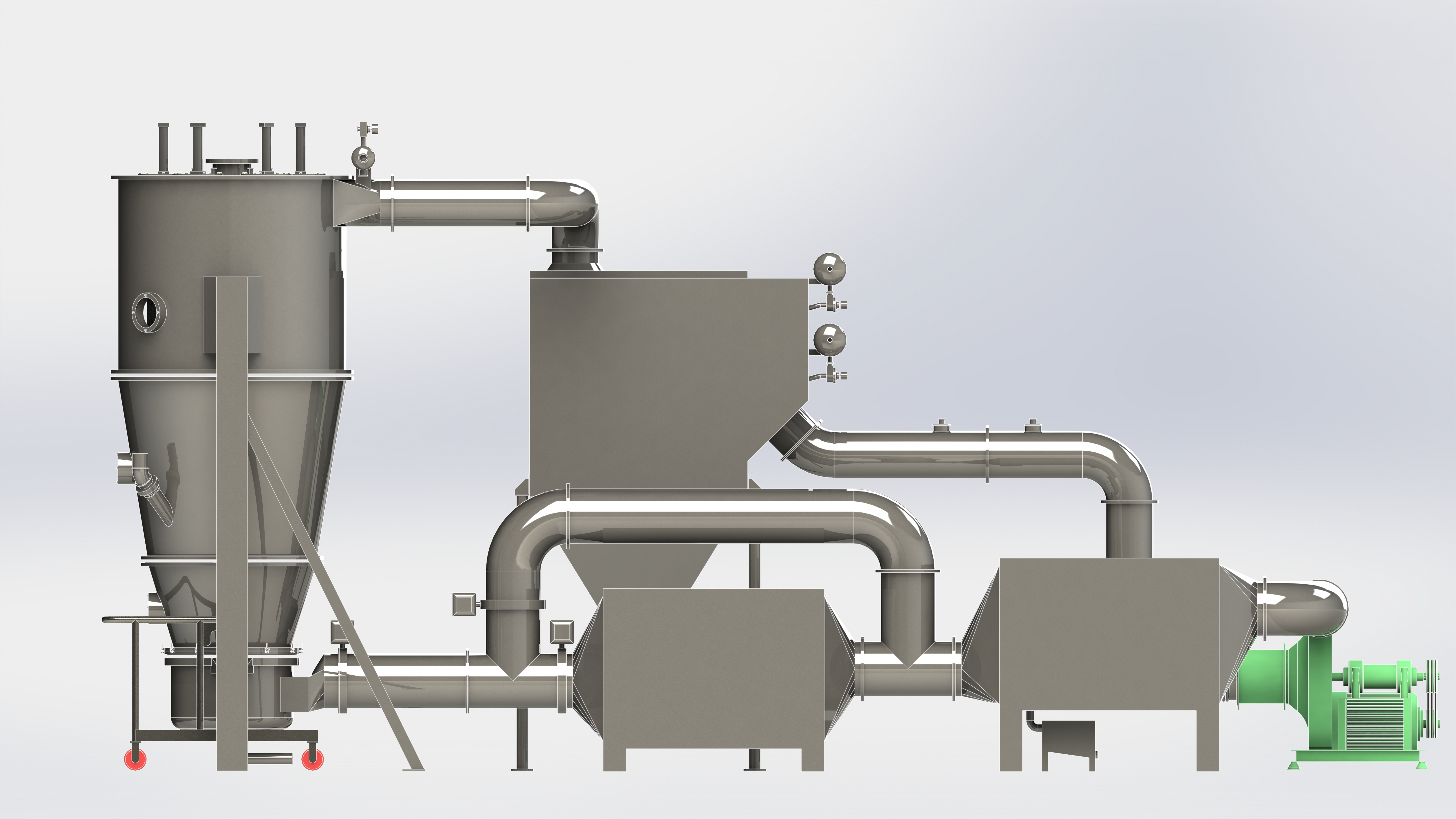 FGBX series Sealed -Circuit Circulation Fluidizing Dryer
 -
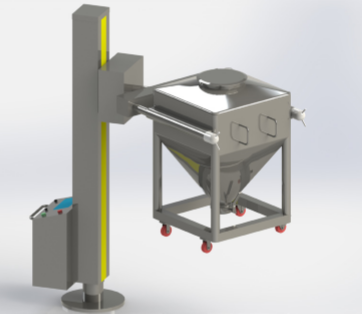 HDT Series Post Hopper Mixer( Post Bin Blender)
 -
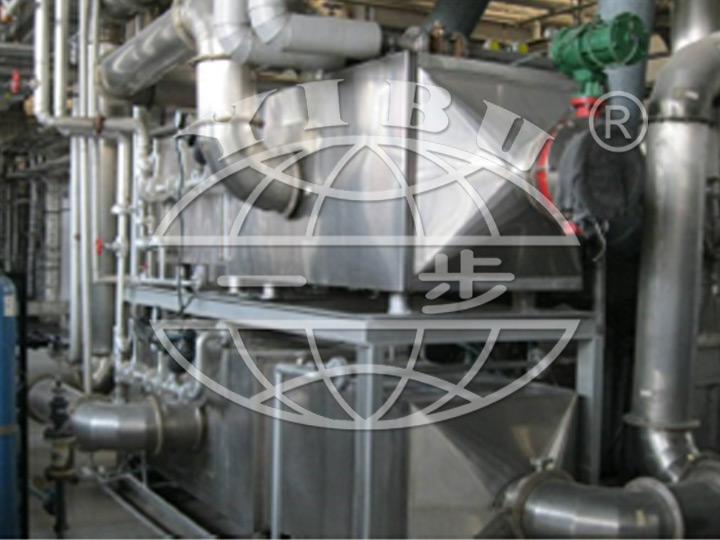 TCD Series Crossflow type Clean Drying Oven(External)
 -
RNG Waste Heat Recovery System
-
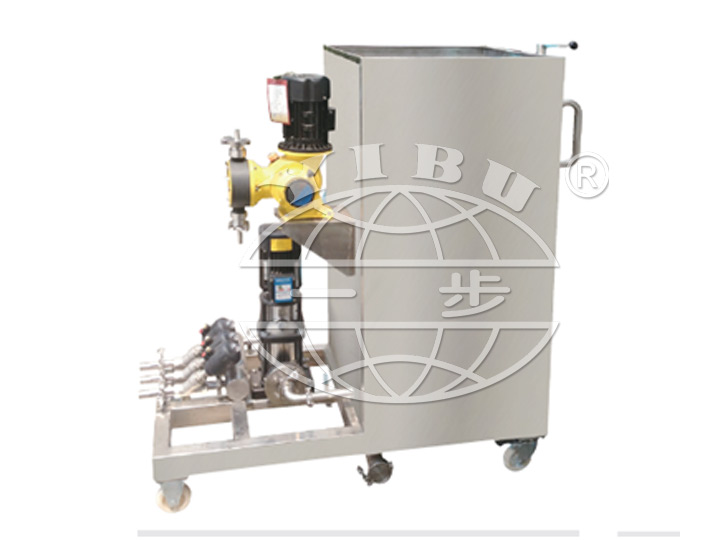 JQX series Movable Cleaning Pump Station
 -
WNG Sereis Hot Pump Dryer
-
 PYG Series Pressure Spray Dryer With Top Air Outlet
 -
 WYG Series Horizontal pressure spray dryer